The Secret Life of Lawn Bugs
The Secret Life of Lawn Bugs: What’s Really Crawling Beneath Your Grass (and What You Can Learn From Them)
Most homeowners think of their lawn as something simple — just grass, dirt, and maybe the occasional dandelion trying to ruin your weekend.
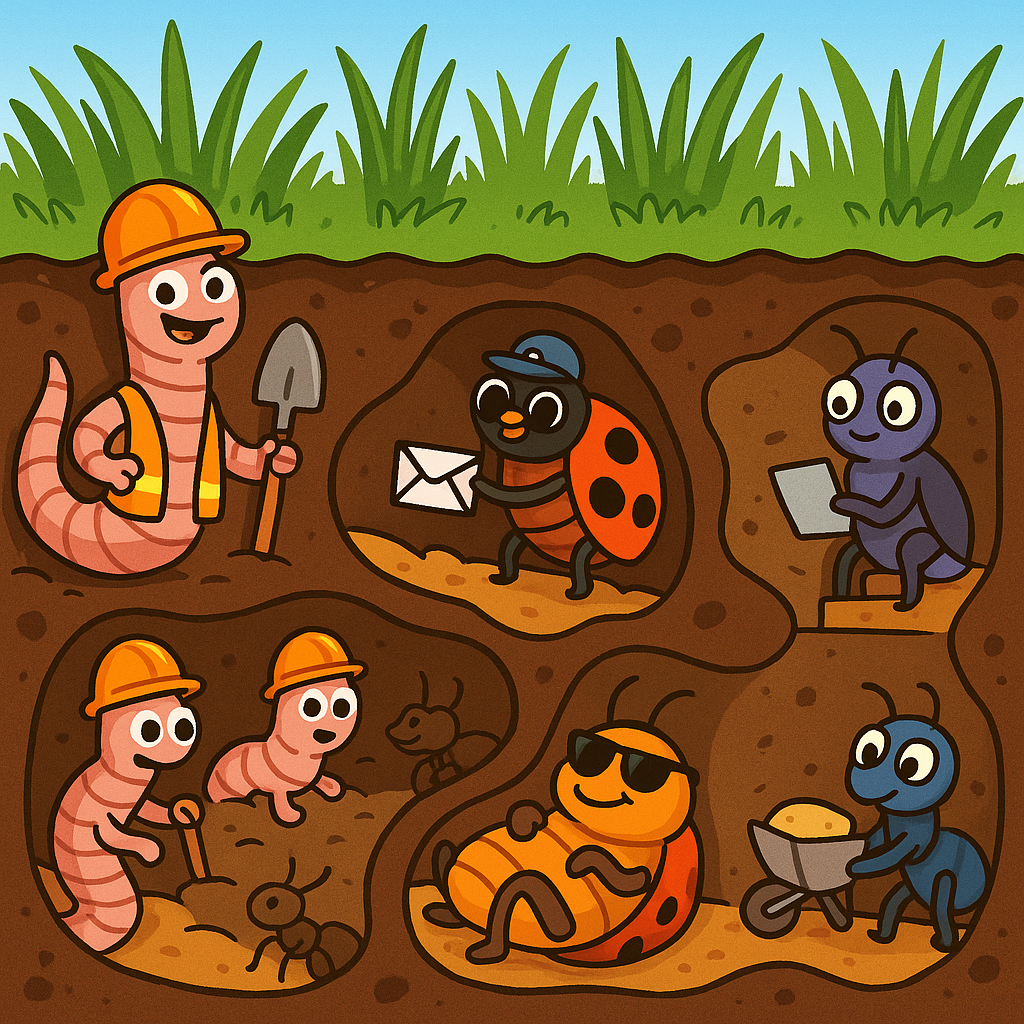
But beneath the surface, your yard is alive.
Crawling.
Wriggling.
Buzzing.
Chewing.
Helping.
Hurting.
There is an entire world under your feet, and every bug in your lawn is playing a role.
Some support your grass in ways you’d never expect.
Others secretly sabotage it when you’re not looking.
This guide explores the hidden world of lawn bugs, what they’re trying to tell you, and how to respond before they take over your yard.
It’s designed to help homeowners understand their lawn — not scare them into buying treatments, but actually teach them what’s going on beneath the blades.
Why Lawn Bugs Aren’t Your Enemy (At Least, Not All of Them)
Before we get into the details, one thing needs to be clear:
Not all lawn bugs are bad.
A lot of homeowners assume that if it moves, it must be eliminated.
But in reality, many of these tiny lawn-dwellers are doing you a huge favor.
Some break down organic material and create nutrients.
Some aerate your soil naturally.
Some control more harmful pests.
Some indicate that your soil is healthy and thriving.
The real problems occur when the wrong bugs show up, or when the right bugs appear in the wrong quantities.
Think of your lawn like a city.
Some residents help — some cause trouble — and some are just strange little creatures minding their own business.
Balance is what matters most.
Meet the Bugs Living in Your Lawn: The Helpful, the Harmful, and the Absolutely Chaotic
Your lawn may be home to dozens of insect species, but a few have the biggest impact on your grass.
Here’s what you need to know.
1. Grubs: The Underground Root Munchers
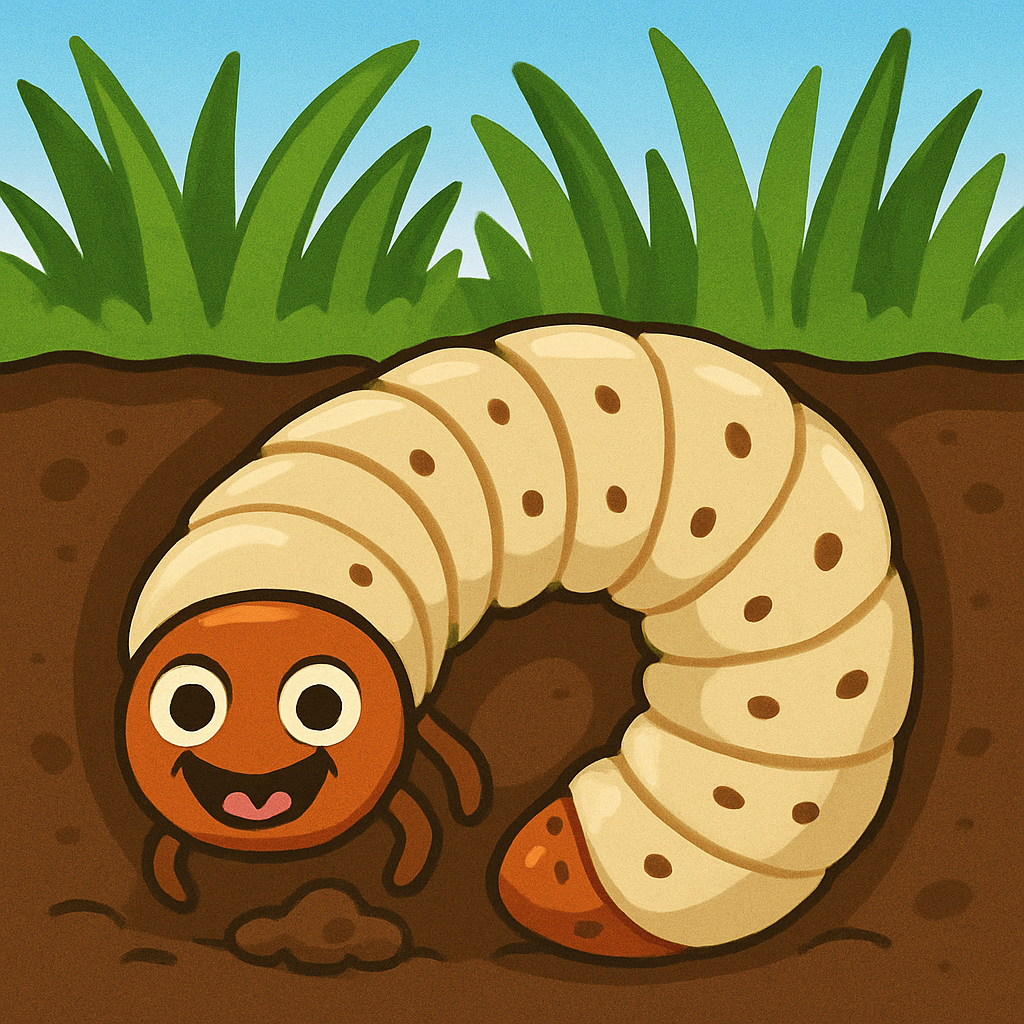
Grubs are the white, C-shaped larvae of beetles like June bugs and Japanese beetles.
They live under the soil and chew through the roots of your grass.
One or two grubs won’t cause problems — but a colony will absolutely destroy a lawn.
Signs of Grub Damage
- Brown, irregular dead patches
- Grass that lifts off the soil like carpet
- Soft, spongy spots
- Animals tearing up the lawn at night
Skunks and raccoons consider grubs a gourmet snack, so if you see digging, grubs may be the reason.
Grubs are silent, hidden, and fast.
Most people don’t know they have an infestation until the damage is already noticeable.
2. Chinch Bugs: Tiny Lawn Vampires
Chinch bugs are incredibly small insects that suck the juices out of your grass.
While they feed, they inject toxins that stop your lawn from absorbing water properly.
They thrive in hot, dry weather and often get mistaken for drought damage.
Signs of Chinch Bugs
- Dry, yellowing patches
- Areas that don’t respond to watering
- Damage appearing near sidewalks or driveways
- Patches that spread quickly
Chinch bugs can multiply fast, so it’s important to catch them early.
3. Armyworms: The Hungry Marching Squad
Armyworms are caterpillars that travel in large groups and devour everything in their path.
If you’ve ever woken up to a lawn that looked mowed even though you didn’t touch it, armyworms may have been the culprit.
They’re fast, destructive, and relentless.
Signs of Armyworms
- Grass blades chewed down to stubble
- Brown patches that appear overnight
- Large numbers of small green or brown caterpillars
Armyworms can turn a lush lawn into a sad one very quickly if left untreated.
4. Fire Ants: Angry Architects
Fire ants are small, fast, and extremely territorial.
They build dome-shaped mounds that pop up after rainstorms and will aggressively defend their home base.
They don’t typically damage the grass itself, but they make your yard uncomfortable — especially for kids and pets.
Signs of Fire Ants
- Raised dirt mounds
- Bare spots around colonies
- Quick, aggressive movement when disturbed
Fire ants don’t play around.
They’re tiny, intense, and everywhere.
5. Mosquitoes: The Uninvited Dinner Guests
Mosquitoes don’t harm grass, but they certainly make your yard less enjoyable.
They love:
- Standing water
- Damp grass
- Heavy shade
- Overwatered lawns
Keeping them under control is usually about controlling the environment, not the insects themselves.
6. Earthworms: The Helpful Soil Workers
Earthworms are messy — but extremely beneficial.
They:
- Aerate the soil
- Break down organic matter
- Improve water flow
- Help create nutrient-rich soil
Those little dirt mounds they leave behind may look messy, but they are a sign of excellent soil health.
If you have worms, your grass is probably happy.
7. Ladybugs: The Gentle Pest Control Squad
Ladybugs aren’t classic “lawn bugs,” but they are frequently found in healthy yards.
They feed on aphids and other plant-damaging insects.
They’re harmless, adorable, and extremely helpful.
A lawn with ladybugs is usually a lawn with balanced ecosystems.
What Bugs Reveal About the Health of Your Lawn
Bugs don’t show up randomly.
They are indicators of what’s happening below the surface — essentially your lawn’s way of communicating its needs.
Here’s what different pest issues might be telling you.
Your Lawn Might Be Too Dry
If chinch bugs or ants suddenly appear, your lawn may be stressed from dehydration.
Overly dry lawns become weak and vulnerable, making them attractive to pests.
How to Fix It
- Water deeply once or twice a week
- Avoid shallow, daily watering
- Raise mower height to reduce stress
Your Soil Might Be Compacted
Compacted soil makes it difficult for grass roots to grow.
It also creates a perfect environment for pests such as grubs.
How to Fix It
- Aerate once or twice a year
- Avoid heavy foot traffic when soil is wet
- Add compost to improve structure
Your Thatch Layer Might Be Too Thick
Thatch is the layer between your grass and the soil.
If it gets too thick, pests will build their home inside it.
How to Fix It
- Dethatch in spring or fall
- Aerate regularly
- Don’t over-fertilize or overwater
How to Get Rid of Bad Bugs Without Destroying the Good Ones
A common mistake homeowners make is blasting their lawn with chemicals that kill everything — good and bad.
But the best long-term approach to lawn care is to work with nature, not against it.
Here’s how to control pests while keeping your lawn healthy.
1. Encourage Birds
Birds like robins, bluebirds, and cardinals eat lawn pests.
Attracting them is incredibly helpful.
You can do this by adding:
- Bird baths
- Native shrubs
- Small perches or birdhouses
You get pest control and backyard entertainment at the same time.
2. Try Beneficial Nematodes
These microscopic organisms attack harmful pests like grubs and armyworms.
They are natural, safe, and extremely effective.
They work underground and restore balance to the soil without harming earthworms or helpful insects.
3. Use Essential Oils Instead of Harsh Chemicals
Peppermint oil, cedarwood oil, and neem oil naturally drive away pests like:
- Mosquitoes
- Ticks
- Ants
They also keep your lawn safe for kids and pets.
4. Maintain a Proper Mowing Height
Grass that’s too short becomes stressed — and stressed grass attracts pests.
Keeping your lawn between 2.5 and 3.5 inches helps it retain moisture and grow thick enough to block pests.
Common Questions Homeowners Ask About Lawn Bugs
“Do all bugs need to go?”
No — many bugs are beneficial.
“Why do bugs pick my yard?”
It’s usually due to moisture levels, shade, soil conditions, or stress.
“Are some bugs dangerous to pets?”
Yes — especially fire ants and mosquitoes. Others are harmless.
“Should I expect bugs in my lawn?”
Absolutely.
A completely bug-free lawn isn’t natural or healthy.
Seasonal Bug Guide: What to Expect Throughout the Year
Different bugs become active during different seasons.
Here’s what usually happens:
Spring
- Grubs become active
- Ants begin forming colonies
- Ladybugs reappear
Summer
- Chinch bugs thrive in the heat
- Mosquito populations spike
- Armyworms move in groups
Fall
- Grubs return for a second feeding cycle
- Fire ants rebuild their mounds
- Earthworms work overtime improving soil
Winter
Most bugs go dormant.
This is the best time to prepare your lawn for next year.
The Bottom Line: Your Lawn Is Talking — Bugs Help You Listen
Bugs are not just pests.
They’re clues.
They reveal:
- Soil health
- Moisture levels
- Stress
- Thatch problems
- Compaction
- Hidden issues
Understanding what your insects are telling you can prevent damage, save money, and keep your lawn healthier throughout the year. A strong, balanced lawn doesn’t need constant rescue from pests. It naturally resists them.
The more you understand the ecosystem beneath your feet, the easier it becomes to care for it.